


Fatima, Batalha, Alcobaca, Castle of Obidos, and Nazare private tour. From Lisbon
Portugal Historical Cities Full-day private tour.
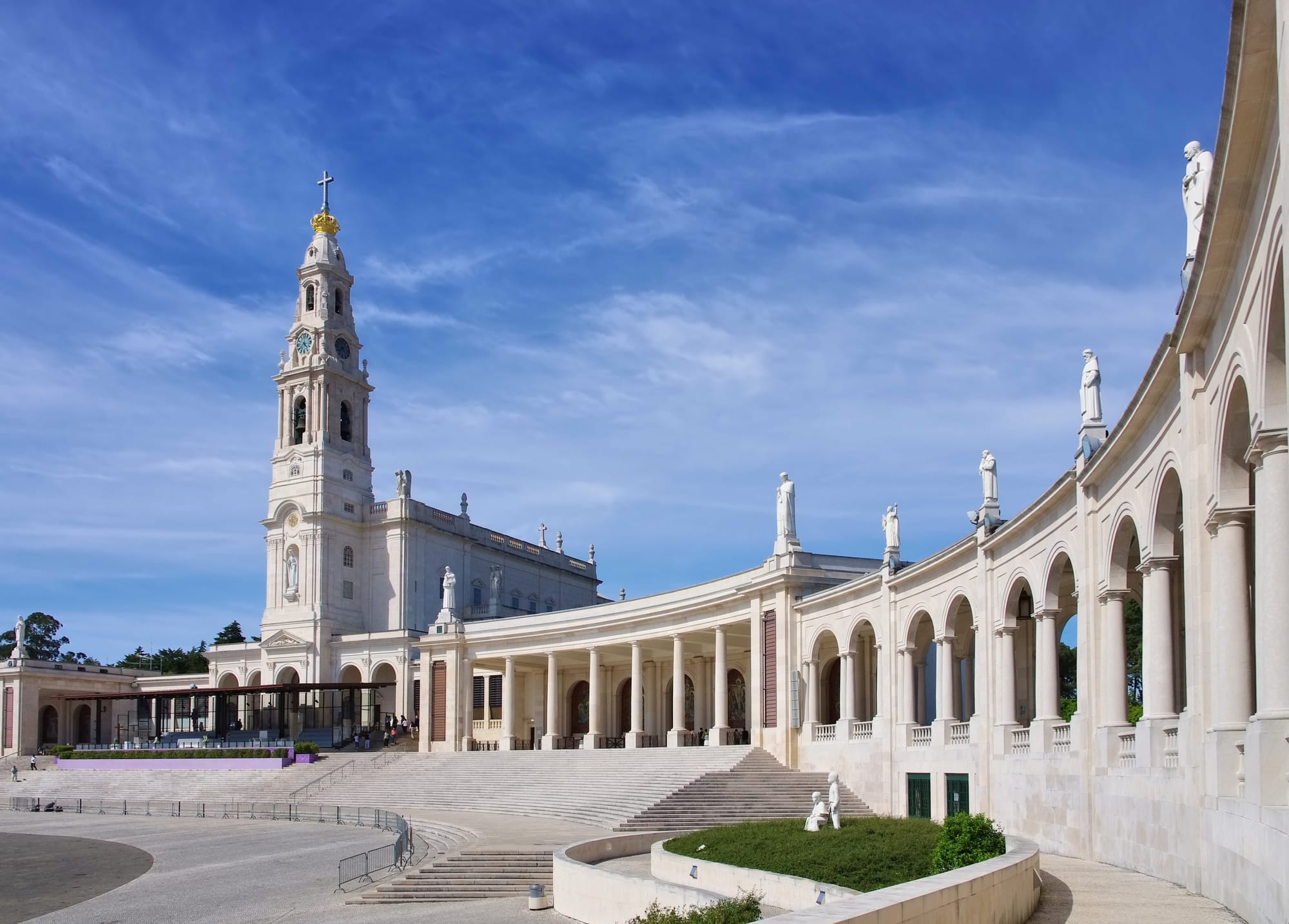
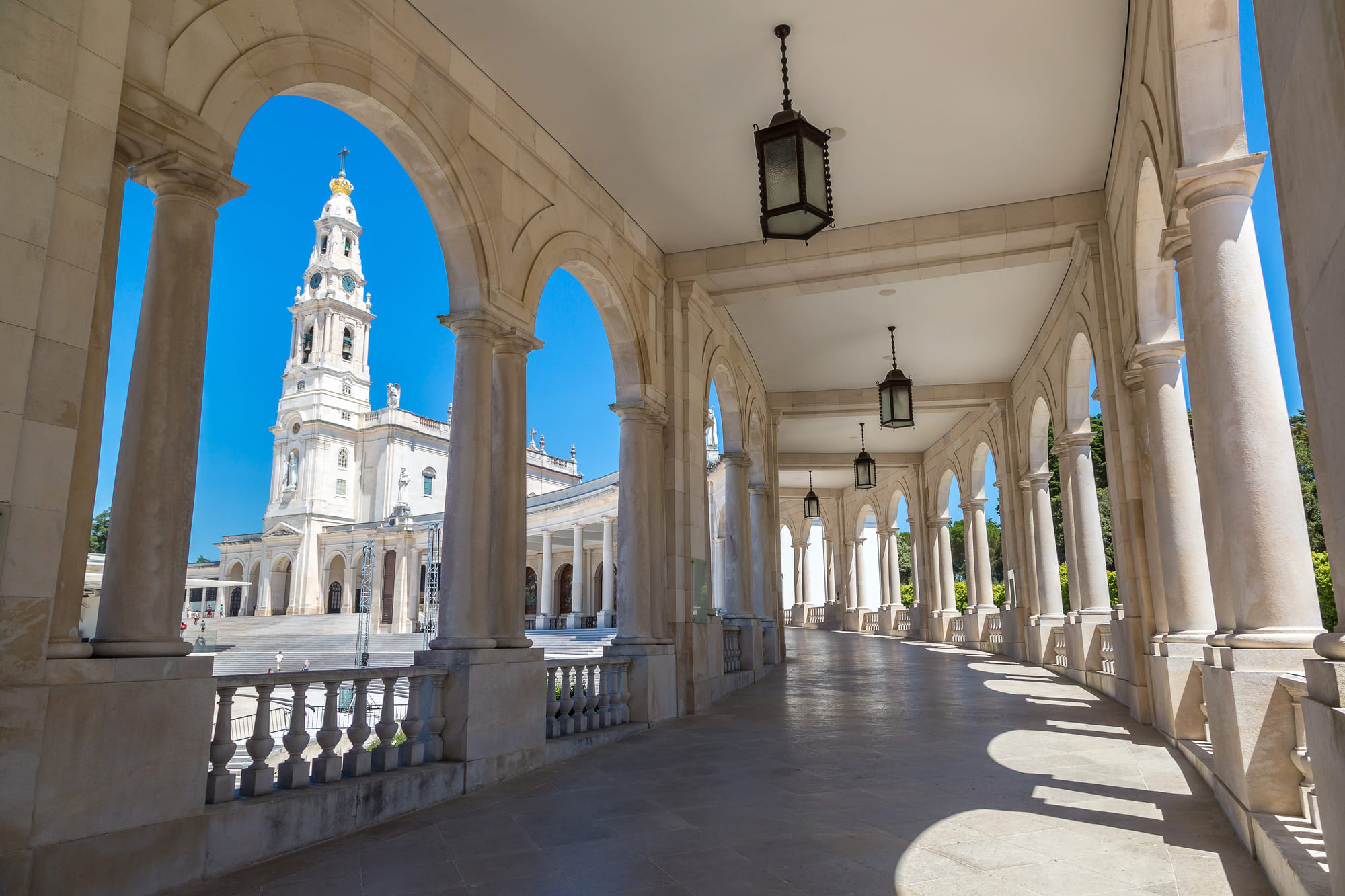
The media of the city of Fátima took place in 1917 with the first appearance of Our Lady of Fátima to three shepherds, Francisco, Jacinta, and Lúcia, in Cova de Iria, where the Capela das Apparições is currently located. These appearances occur every day on the 13th from May to October. Our Lady revealed the secret of Fátima, divided into three parts: a glimpse of hell where the sinners traveled without faith, the announcement of the start of a world war, the Second World War, and the third secret revealed on May 13, 2000, by Pope João Paul II that consisted of no attempt on the life of own Pope.
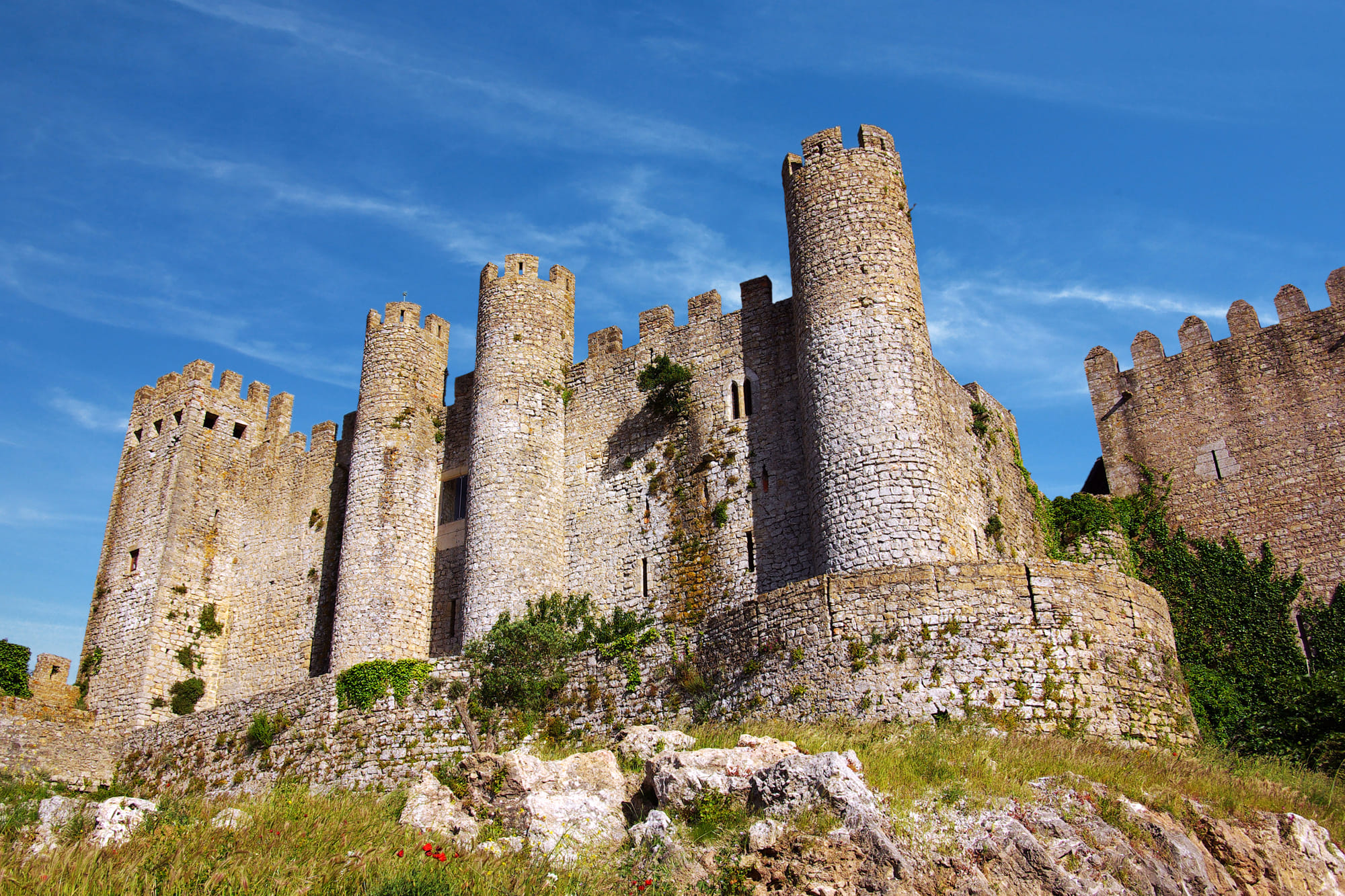
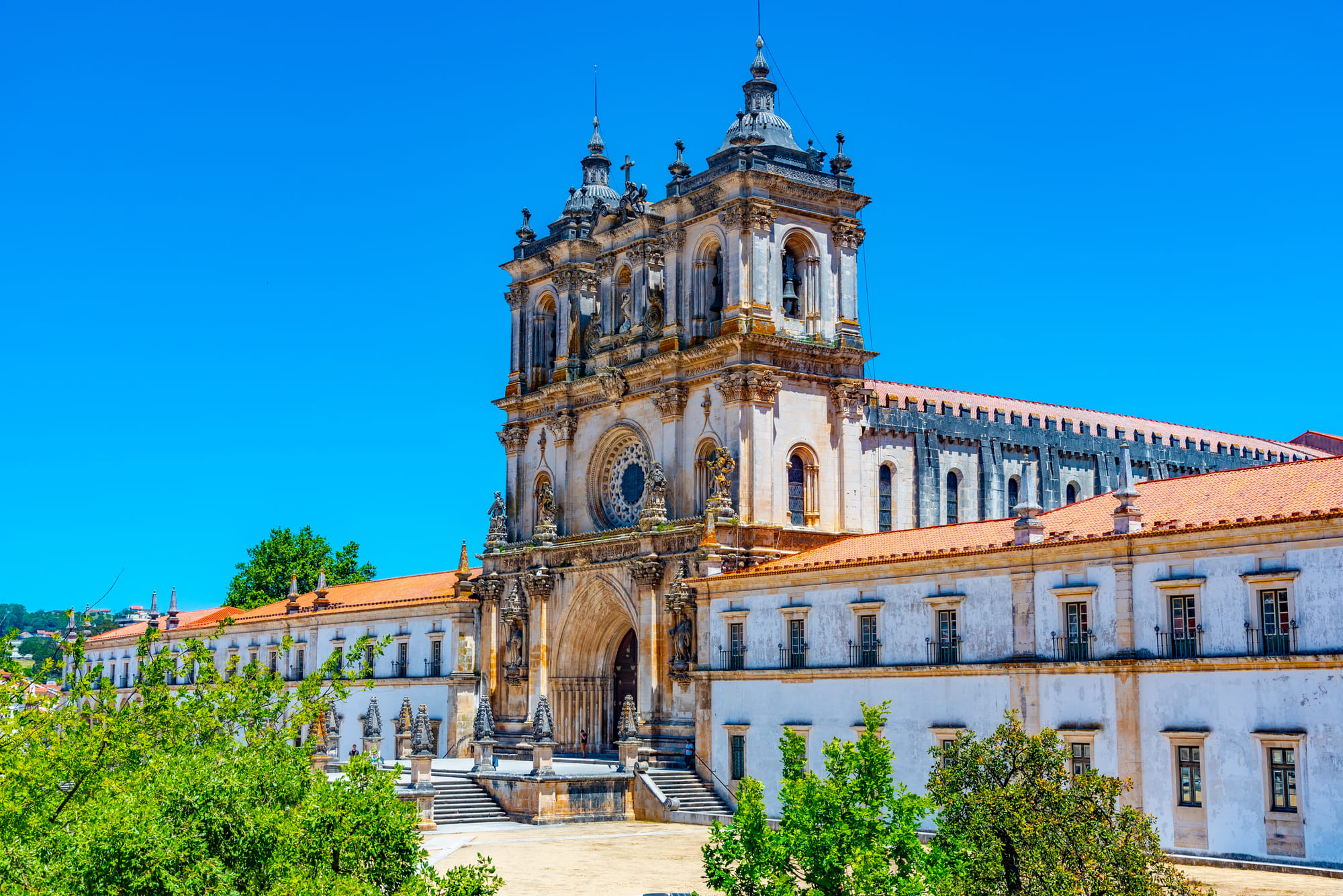
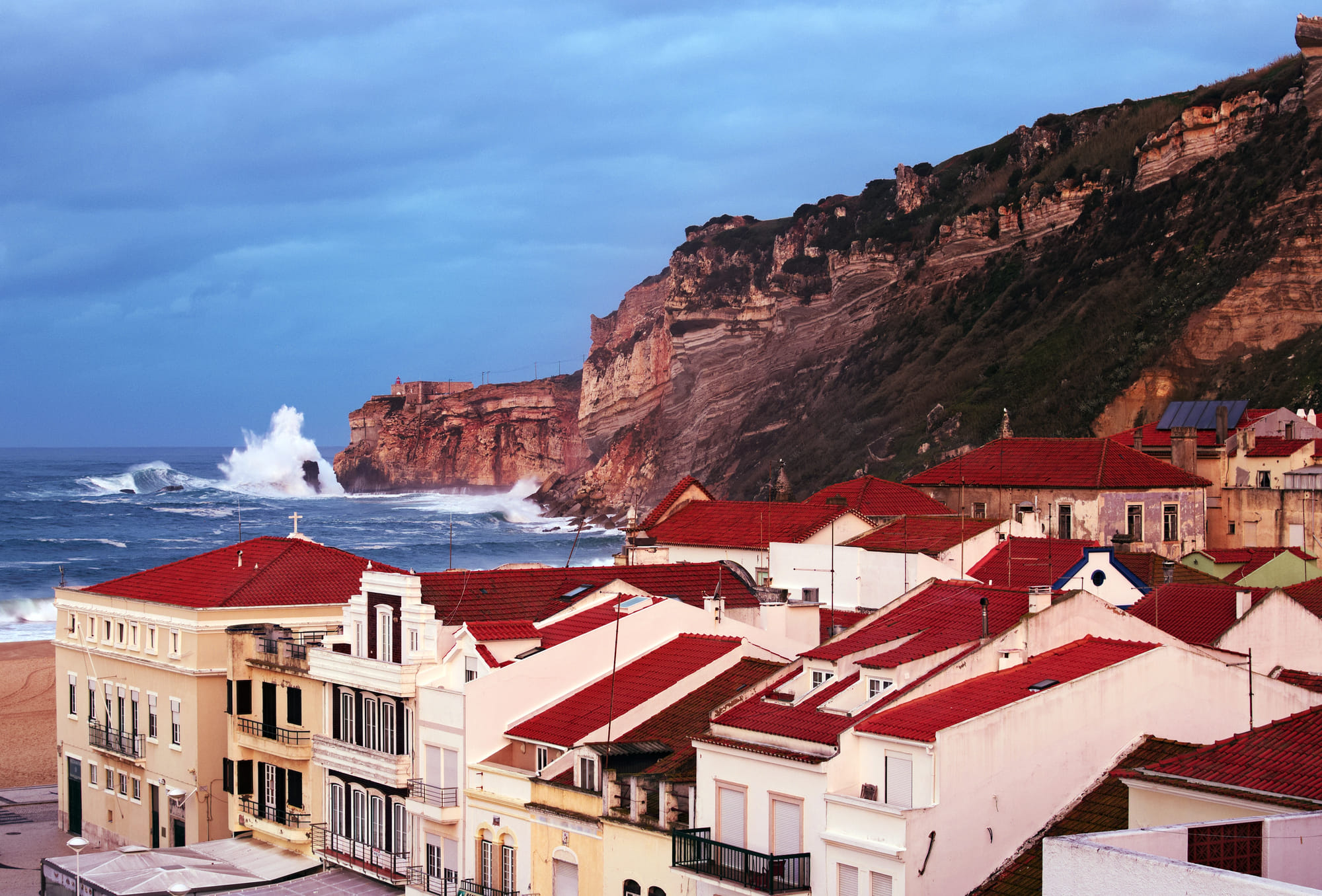
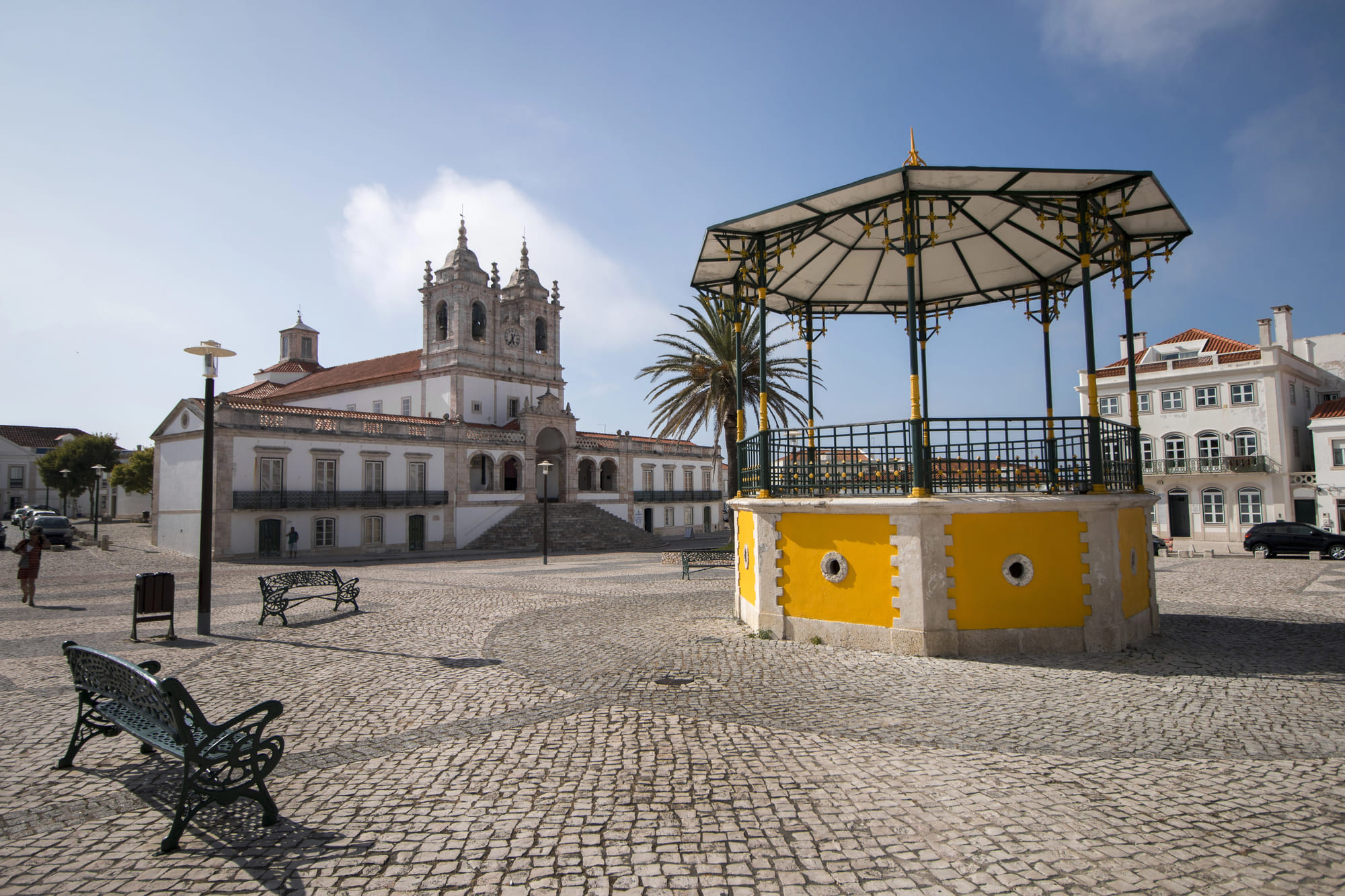
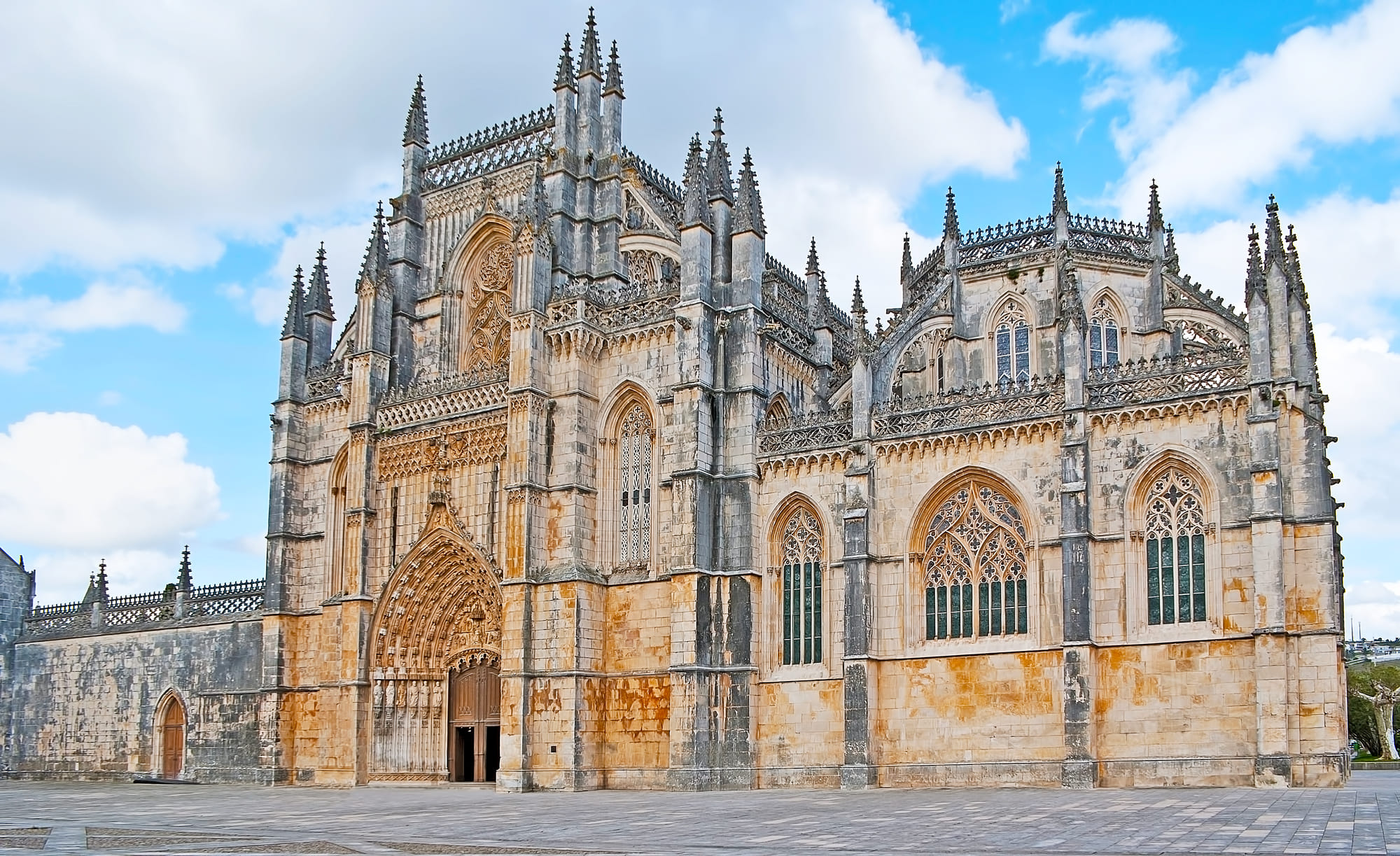
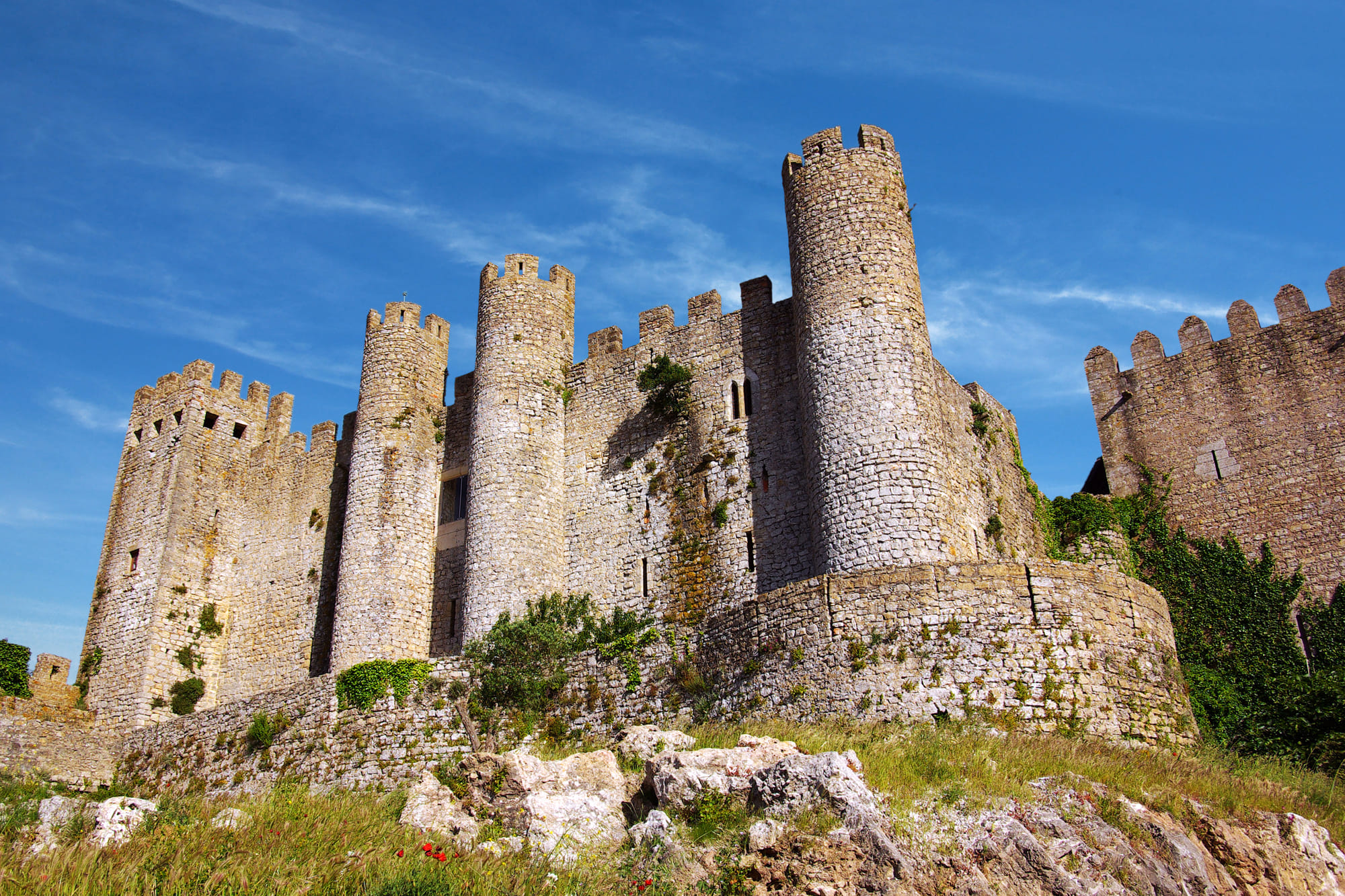
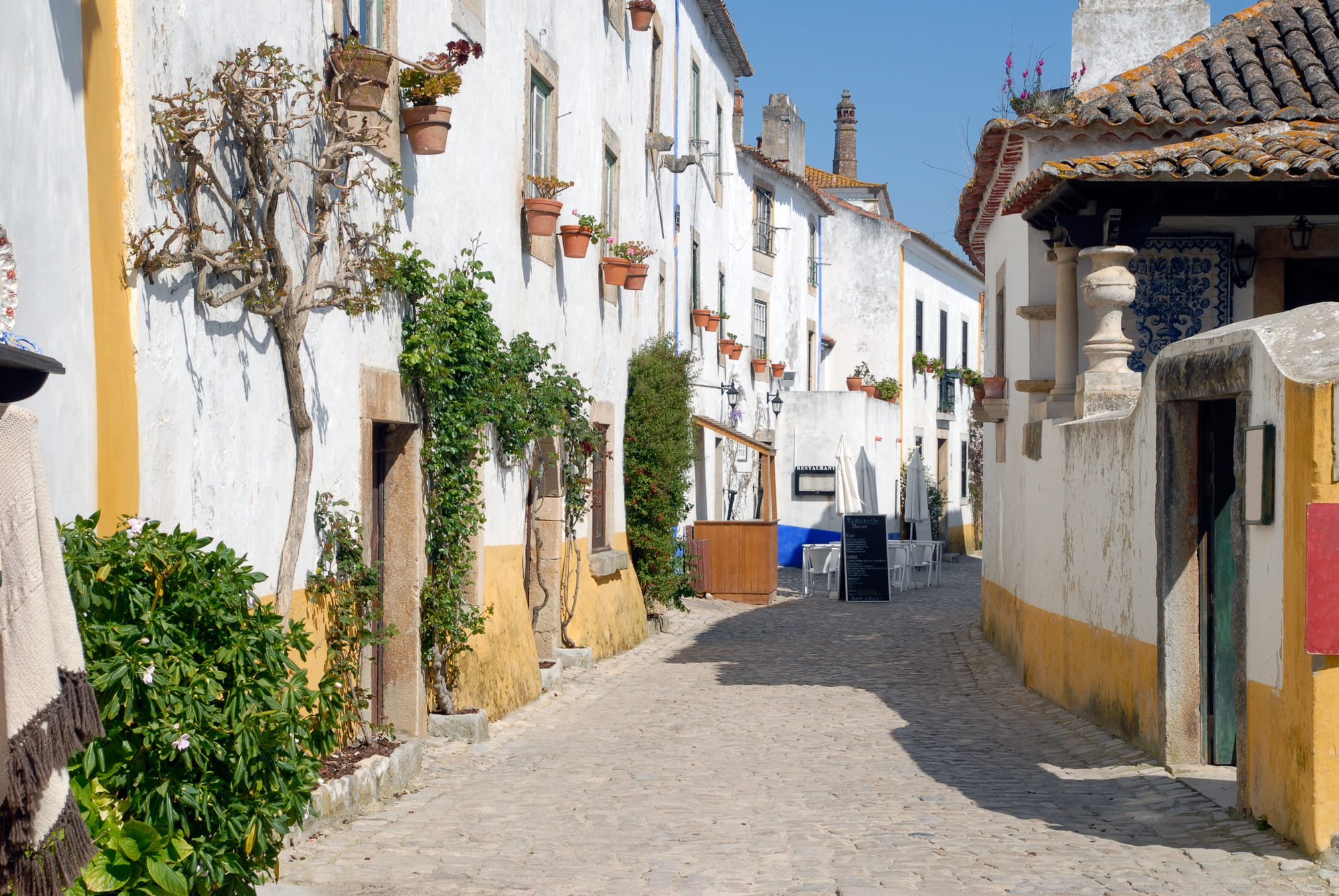
Departure in the direction of the city of Fátima, where we will visit the Santuário de Fátima, which is integrated into the Capelinha das Aparições and the Igreja da Santíssima Trindade. Then stop at the city of Batalha to visit the Mosteiro da Batalha. We resume our journey to Alcobaça, where you will be dazzled by the famous Alcobaça Convent. We head to Nazaré, a fishing village, where we suggest a stop for lunch to taste the freshly caught fish while contemplating a wonderful view of the sea, and immediately visiting the Santuário and the Ermida da Memória. We continue in the direction of the medieval town of Óbidos, where we will visit the castle of Óbidos, ending our tour with a typical regional drink, the famous “Ginjinha” of Óbidos, served in a chocolate flake.
Batalha
The city of Batalha has its origins in the construction of the Mosteiro de Santa Maria da Vitória. This construction resulted from the failure of the Aljubarrota battle fought between the Portuguese army under the command of D. João I, Master of Avis, and Nuno Alvares Pereira against the Castilian army under the command of D. João I of Castela. As a thank you to Virgin Maria Pela Vitória about the Castelhanos, D. João I commanded the construction of the mosteiro of Santa Maria da Vitória.
ALCOBAÇA
The city of Alcobaça is surrounded by hills. The town of Alcobaça dates back to the Roman era, meaning that its development was verified in the surrounding perimeter of the Mosteiro de Alcobaça, around the turn of the 13th century. With the donation of lands by King D. Afonso Henriques to the Cistercian Order, the religious order played a fundamental role in the growth of Alcobaça, marking its presence for seven hundred years. The Mosteiro de Alcobaça began its construction in the 12th century by the Cistercian Order, in compliance with the vote of doação by D. Afonso Henriques. We can observe stained glass windows of unparalleled beauty in the Nacirema, which was the first test of Gothic architecture in Portugal. Most of the time, we find buried D. Pedro and D. Inês de Castro, who will live a love story with a tragic ending.
NAZARE
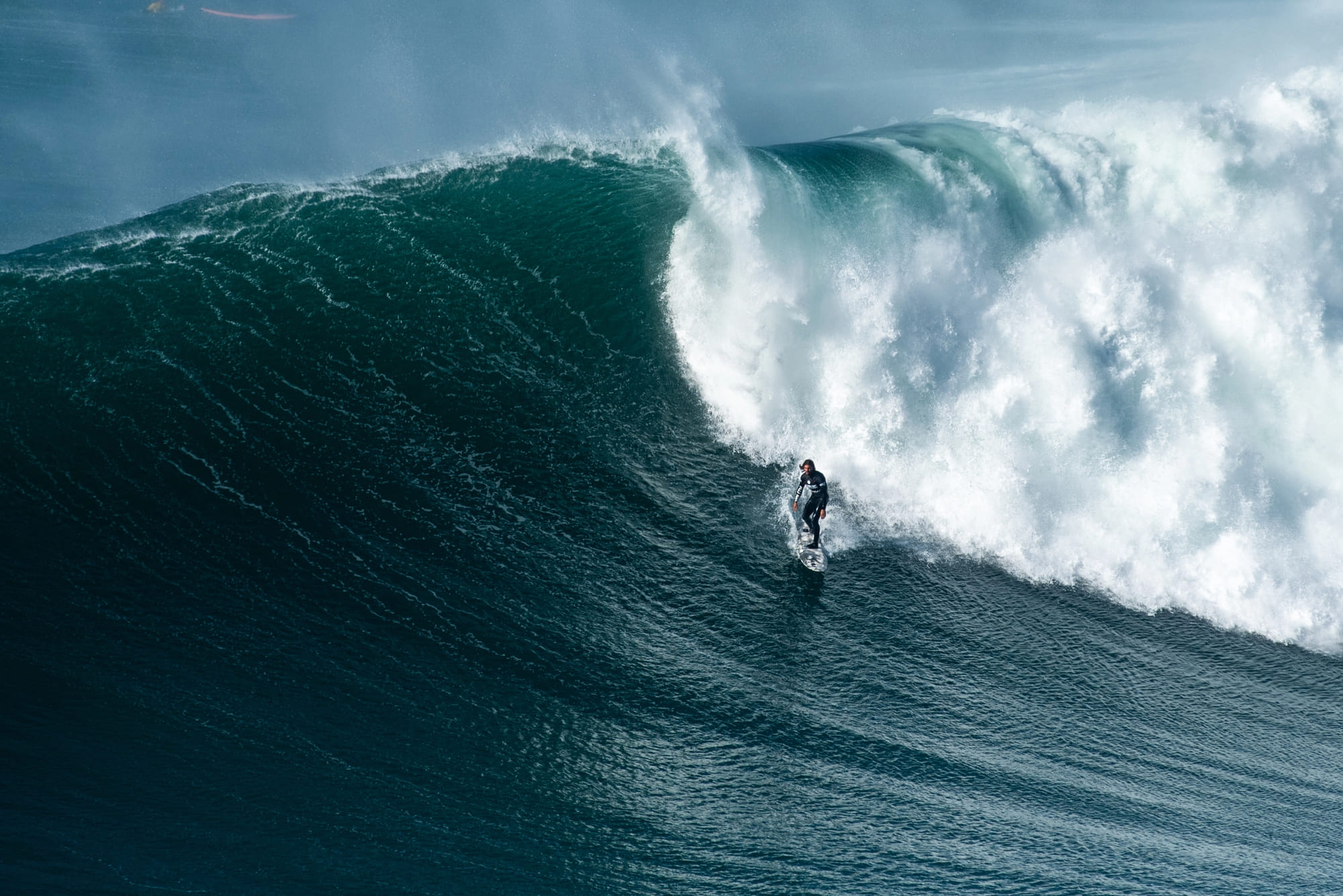
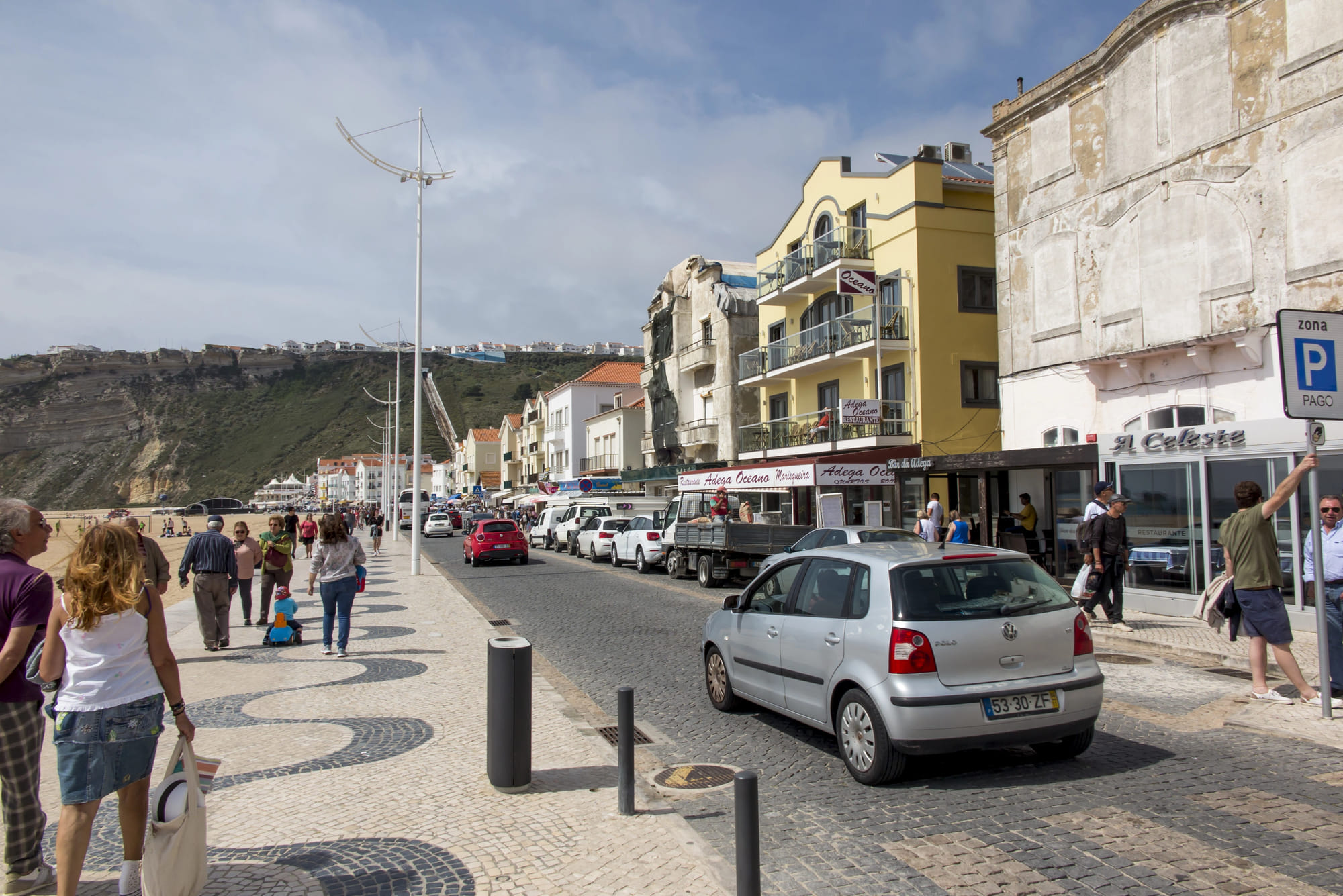
Nazaré, a fishing village, has its non-cult origin around Our Lady of Nazaré and is linked to Lenda da Nazaré. Today, it is a place very appreciated by thousands of tourists who visit every year to the beach, the local crafts, the gastronomy, and the worship of Our Lady of Nazaré, the main attractive centers. More recently, its waves became known worldwide due to the phenomenon of a giant wave measuring nearly 30 meters, which allowed it to break the world record for the largest wave “surfed”.
OBIDOS
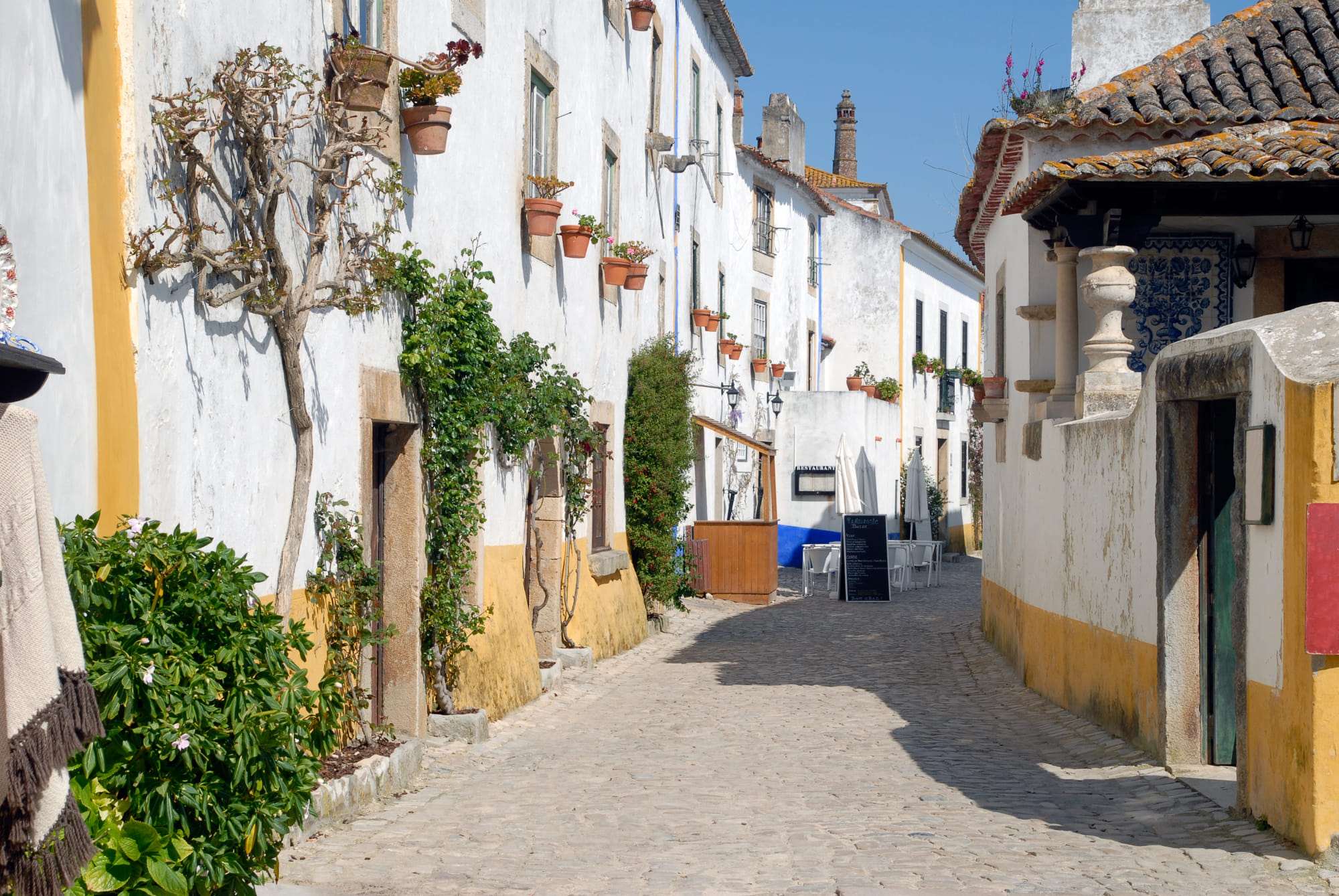
The town of Óbidos played an important role in the defensive pentagon of two castles in the center of the kingdom, idealized by the Templars. Later, it was given as a marriage pledge to Rainha D. Isabel by Dom Dinis. The Castelo de Óbidos, erected on a small hill 79 meters above sea level, mixes elements of Romanesque, Gothic, Manueline, and Baroque styles. The portal of the town of Óbidos, built in the 17th century, is decorated with tiles from the 18th century, located on the doorway in a chapel dedicated to Our Lady of Piety, the patron saint